The rules that catch people out
Most pages about the Cederberg lead with the scenery. The genuinely useful information is the constraints, because several of them surprise people who have camped elsewhere in South Africa.
- NoNo fires at all — including gas cookers. This is the one that catches people. Plan cold food, or check current conditions with CapeNature before you count on cooking.
- NoNo pets, no firearms.
- NoNo picking flowers or collecting seed. You are inside a World Heritage site.
- —Waste and toilet paper are carried out or buried. There is no one to clear up after you.
- 3A minimum of three adult hikers on wilderness trails. Four to twelve is the size CapeNature suggests. Solo walking is not permitted.
- 50Maximum fifty people per wilderness block per day. Which is why a permit is a real constraint, not a formality.
CapeNature also warns plainly of “tough terrain, minimal infrastructure, scarce water points, and little to no cellphone reception”. Take that at face value. Tell somebody where you are going.
Hiking permits are required. They can be bought at the reserve office or booked through CapeNature Central Reservations. We do not publish fees — they change, we have not verified them, and a stale price is worse than none. Go to CapeNature for the current position.
The walks people come for
Durations below are CapeNature’s published figures. They are CapeNature’s estimates, not a promise — add time for photographs, heat and getting lost.
The Wolfberg Arch
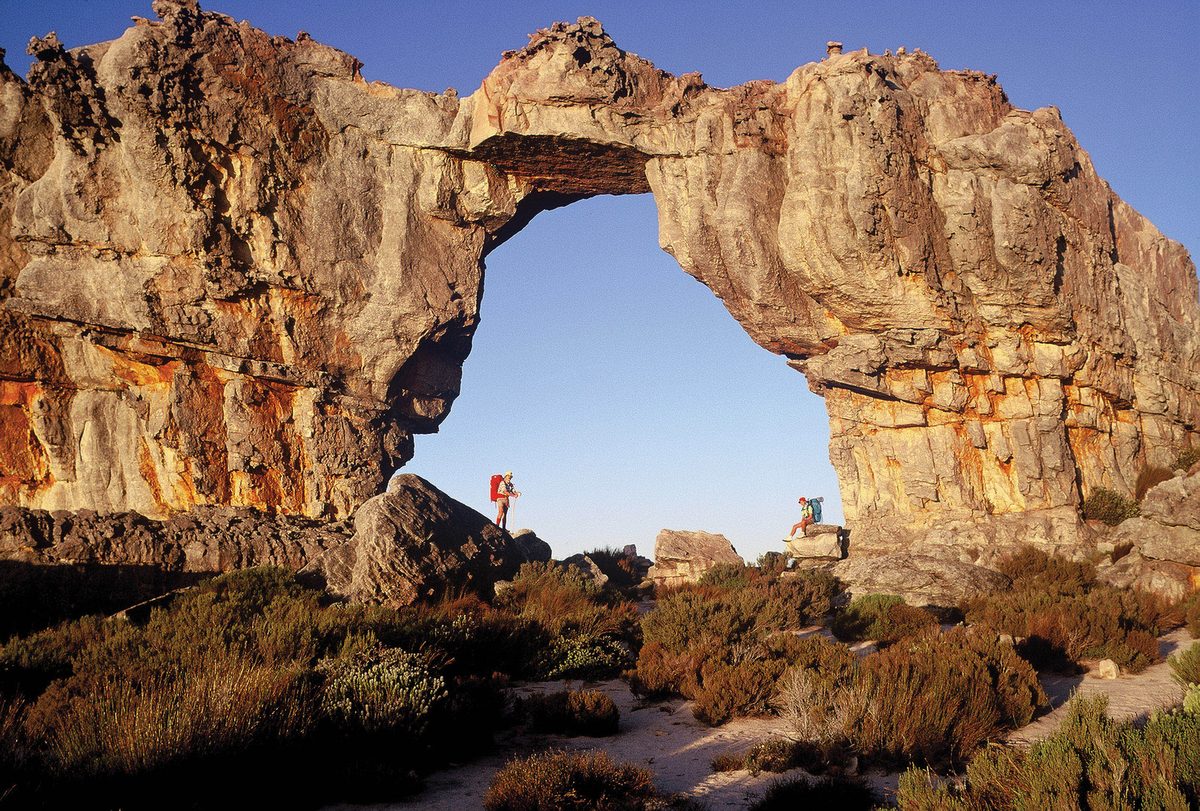
The formation most people picture when they picture the Cederberg — a free-standing sandstone arch high on the mountain, reached via the Wolfberg Cracks, a narrow chimney-like passage through the rock.
The Maltese Cross
A single free-standing rock pillar, and the shorter of the two signature walks. The most achievable of the big-name Cederberg objectives in a day.
Middelberg Waterfall
A shorter walk from Algeria, and the sensible option if you have half a day rather than a whole one.
Stadsaal Cave and Truitjieskraal
Weathered sandstone chambers and formations, reached with far less walking than the high routes — the option when the group has mixed appetites for effort.
San rock art
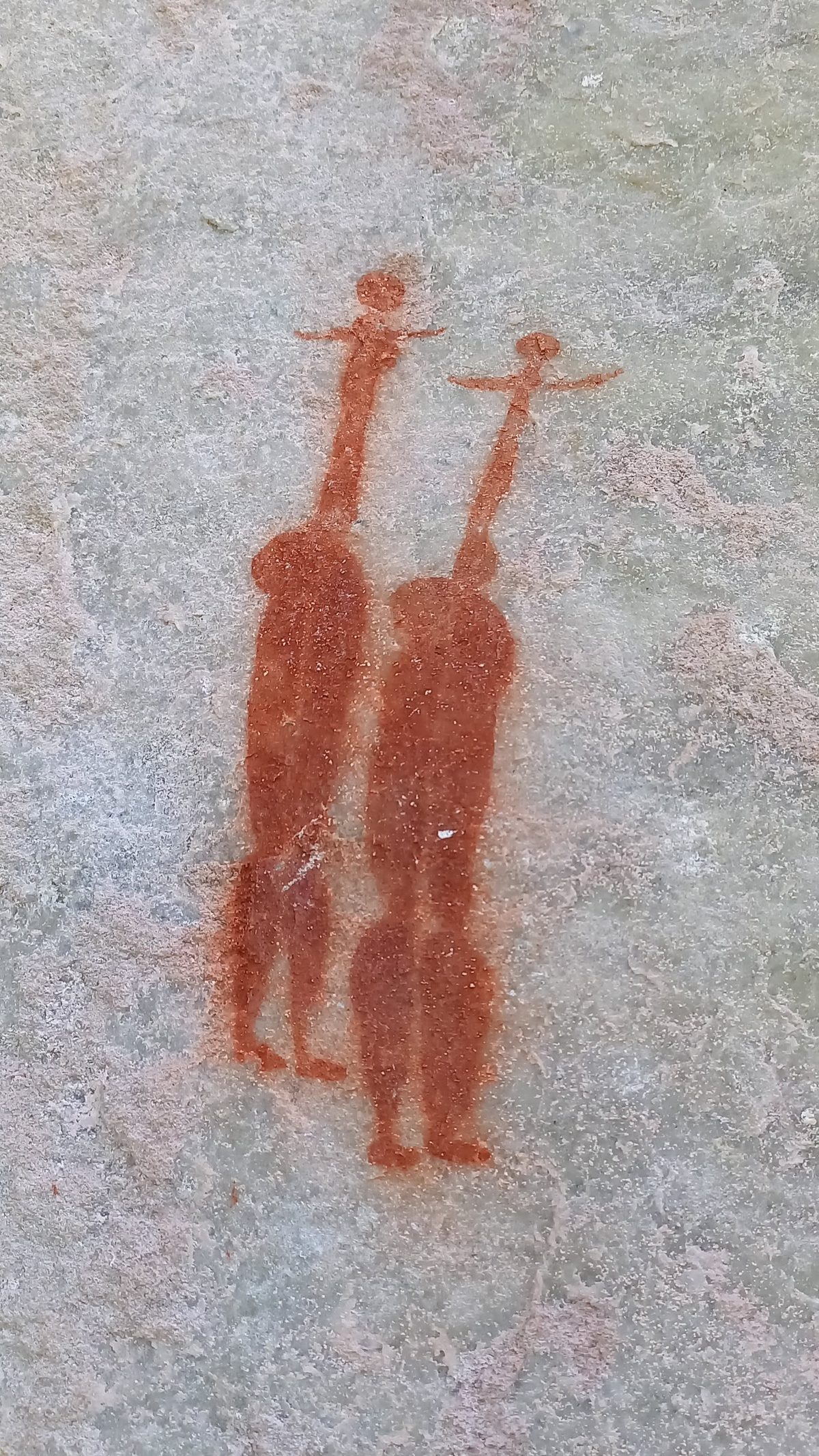
The Cederberg holds a great deal of San rock art, and the Sevilla Rock Art Trail near Clanwilliam is the best-known way to see it — a walk past a series of painted shelters.
Read the restAbout 1 minute
It is worth saying why this sits on a rooibos site. The traditional knowledge of rooibos was found to lie with the San and the Khoikhoi, and since 2019 the industry has paid a levy in recognition of that. The paintings are not illustrations of that story — nobody has shown they depict rooibos, and we do not suggest they do. But they are the oldest human presence in this landscape, and walking past them changes how the rest of the region reads.
Rock art is fragile and irreplaceable. Do not touch the paintings, do not wet them to bring out the colour, and stay on the path.
- Rocklands — described by CapeNature as “a world renowned bouldering site”, with sport and traditional climbing too
- Mountain biking at Algeria — Rock Jumper, 3.3 km, easy; Honey Badger, 6.6 km, moderate
- Dark skies — a well-known draw in the Cederberg, though we have not sourced a specific site to send you to
What we cannot tell you yet
| Question | Where it stands |
|---|---|
| Can I do a rooibos farm tour or tasting? | Not answered here. Guided tours, tastings and 4x4 trips are businesses, and no business appears on this site until someone has confirmed what it offers and on what terms. Public conservation land is documented; commercial operators are not.Blocked on field research |
| What does a permit cost? | Fees change, so confirm the current one when you book. CapeNature is the authority. |
| Which trails are open right now? | Conditions, fire risk and access change. Conditions change with the season and the weather — confirm before you drive. Check before you drive. |
| Where exactly should I go for dark skies? | The Cederberg's night sky is widely praised, but we have not sourced a specific public site with confirmed access, so we are not sending you anywhere in particular. |
Read the constraints before the scenery
No fires of any kind, including gas cookers. A minimum of three hikers on wilderness trails. Little to no cellphone reception. CapeNature is the authority on access here.