Base yourself in Clanwilliam. It is the only one of the four you can reach a farm tour, a bed and a meal from.
- Clanwilliam The industry town. A farm tour, four places to sleep, three to eat
- Citrusdal The shortest drive from Cape Town, and a tasting room on the pass
- Nieuwoudtville Spring flowers first, rooibos second. Out on the escarpment
- Wupperthal A mountain mission village, up a gravel road over the Pakhuis Pass
- Read it as A map of who publishes, not a ranking of who is worth visiting
Four towns, four kinds of trip
Tap a town to jump to it.
-
-
-
-
Which town should you base yourself in?
Four towns, four quite different trips. Answer three questions and we will suggest one — built only from what we have actually sourced about each place.
Rooibos country runs from Citrusdal in the south, through Clanwilliam and the Cederberg mountains, up to Nieuwoudtville on the Bokkeveld escarpment — roughly three hours north of Cape Town.
| Town | Best for | Getting there |
|---|---|---|
| Clanwilliam | The tea itself, and a first visitgenerally regarded as the industry hub | About 200 km north of Cape Town, 230 km by road |
| Citrusdal | The shortest drivesouthern gate of the region; Carmién processes in the valley | About 160 km north of the city |
| Wupperthal | Mountains, and a mission villagerooibos is the village’s main cash crop | Gravel road from Clanwilliam over the Pakhuis Pass |
| Nieuwoudtville | Spring flowers first, rooibos secondthe Suid–Bokkeveld side of the story | Out on the Bokkeveld escarpment |
What each base actually reaches
The four town sections below tell you what each place is. This table tells you what you can reach from it, and it is built only from the research behind /farms/, /stay/ and /eat/ — every entry is something an operator publishes about itself, checked on the date recorded there.
Read the restAbout 2 minutes
| Base | Rooibos you can visit | Where we have found to sleep | Where we have found to eat |
|---|---|---|---|
| Clanwilliam | Skimmelberg — the region’s only published farm tour. Two hours, 10:00 weekdays, book aheadSaturdays need six adults; closed Sunday | Four of the six places on /stay/ — Jamaka, Cederberg Ridge, Eight Day Rain, and Traveller’s Rest 34 km out over the Pakhuis PassSkimmelberg itself publishes no accommodation | Three of the four on /eat/only one of them publishes hours |
| Citrusdal | Carmién’s tea shop and tasting room — not on the farm, but at the De Tol Farm Deli on top of the Piekenierskloof Pass, straight off the N7. Walk inthe only rooibos address in the region publishing its own opening hours | Covered by our sister site, visitcitrusdal.com, and deliberately not duplicated heresee the note below the table | The Carmién shop, on the pass above the town |
| Nieuwoudtville | The Heiveld Co-operative — not a tour but a stay, at the Rietjieshuis Eco Lodge in the Suid–Bokkeveld. Book aheadworkshops in restio architecture, traditional bread baking and medicinal plants | Rietjieshuis Eco Lodge, the same addressHeiveld says booking is essential and publishes no way to do it — an open question on this site | Nothing we have been able to source |
| Wupperthal | Wupperthal Original Rooibos is a real co-operative, but publishes nothing a visitor can act ona finding, not an omission — see /farms/ | Nothing published that we could verify | Nothing published that we could verify |
So the honest answer to “where should I base myself?” is Clanwilliam, and it is not close — it is the only town from which you can reach a farm tour, a choice of beds and a meal, all from operators who publish enough for us to stand behind. Citrusdal is the shortest drive from Cape Town and has the one address that reliably publishes its opening hours.
But read the table for what it is. It is a map of who publishes, not a ranking of who is worth visiting. Wupperthal’s row is short because the village’s co-operative has no visitor-facing web presence, not because there is nothing there. Nieuwoudtville’s is short because the Suid–Bokkeveld is thinly covered online. A town with an empty row is a town we have not been able to research from a desk — and nine operators across this region are waiting on exactly nine phone calls. Citrusdal’s accommodation is blank here for a different reason again: visitcitrusdal.com already covers that valley properly, and duplicating it would be worse than linking it.
The Citrusdal valley is covered by visitcitrusdal.com, which we also run and which goes deeper on that town than we do here. Disclosed rather than hidden: it is ours.
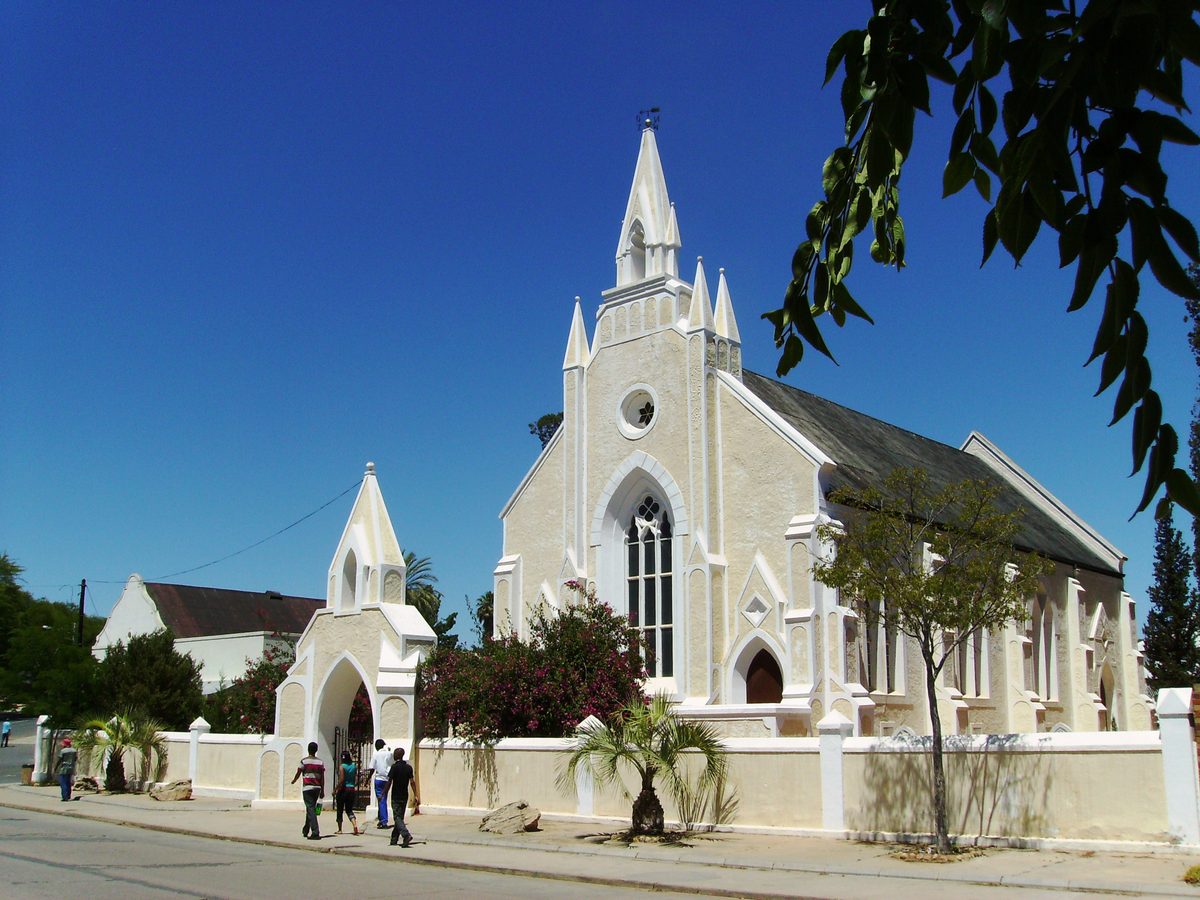
Clanwilliam
Clanwilliam is generally regarded as the centre of the rooibos industry — the natural base for a rooibos trip. We hedge that as “generally regarded as” because it is widely stated rather than formally defined, but it is the town most people mean when they talk about rooibos country.
Read the restAbout 1 minute
It sits in the Olifants River valley, about 200 km north of Cape Town (230 km by road), and is the seat of the Cederberg Local Municipality. It is also where the modern rooibos industry has its deepest roots: the district surgeon and botanist Dr Pieter Le Fras Nortier began his rooibos cultivation experiments here in the 1930s — the work that is widely credited with turning rooibos from a wild-harvested plant into a farmed crop.
It is also the proposed site of the “Rooibos to Space” interpretation centre tied to the 2026 space mission. That is a proposal, not a building — it has no confirmed timeline, and we will not write as if it exists.
- Region
Cederberg - Rooibos role
generally regarded as the industry hub; where Nortier began rooibos cultivation experiments in the 1930s - Population
about 7,700 (2011 census) - Watch
proposed “Rooibos to Space” centre — not built - As a base
the strongest of the four: a farm tour, four places to sleep and three to eat
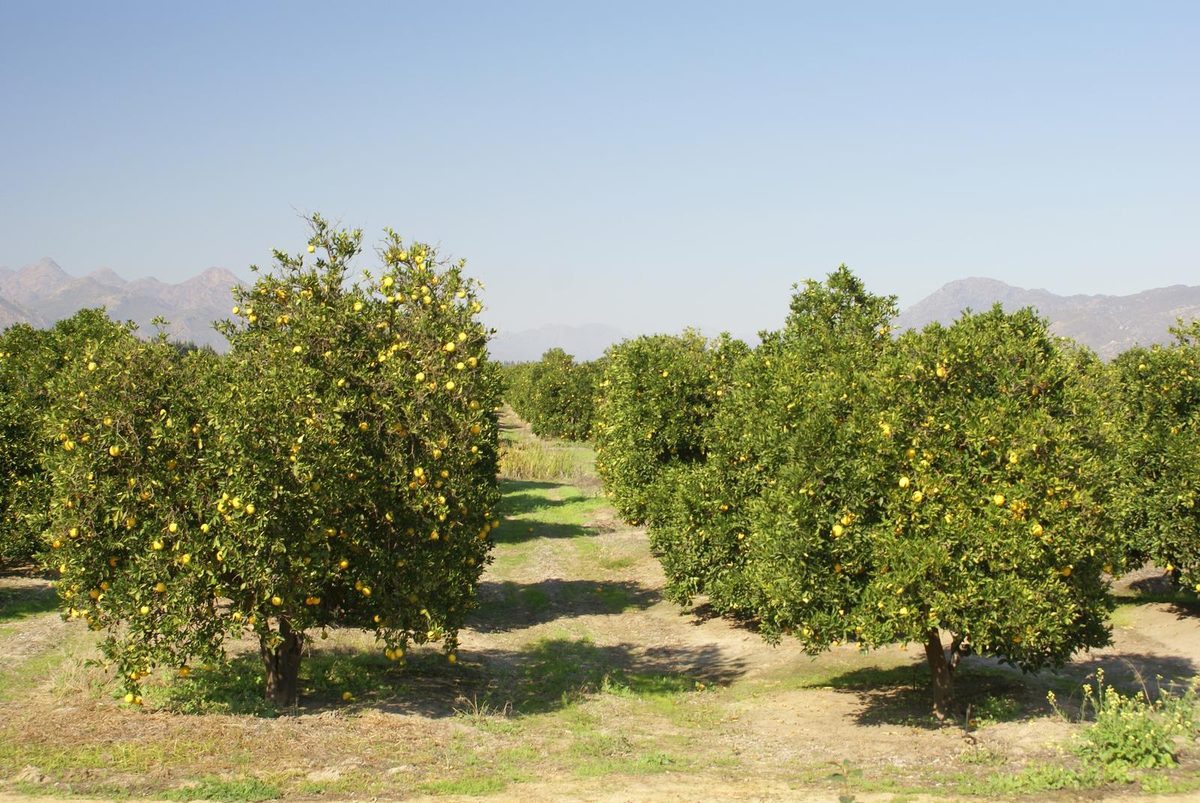
Citrusdal
Citrusdal is the southern gate — the first rooibos-country town you reach coming up from Cape Town, at the base of the Cederberg about 160 km north of the city. It is a citrus valley that also grows rooibos, and several producers handle both crops.
Read the restAbout 1 minute
Rooibos is cultivated in the surrounding Cederberg, and the area around Citrusdal is described as one of its primary production zones. One named producer, Carmién Tea, operates processing facilities on farms in the Citrusdal valley — a real, named rooibos presence we can point to, though we have not yet confirmed which farms welcome visitors.
It is the one town here with a sibling site we already run: visitcitrusdal.com, which covers the town from the trade angle, including its own rooibos page.
- Region
Cederberg - Rooibos role
citrus valley that also grows rooibos; described as a primary production zone - Named producer
Carmién Tea — processing on Citrusdal valley farms - Population
about 7,200 (2011 census) - Sibling site
visitcitrusdal.com - As a base
shortest drive from Cape Town; the Carmién shop on the pass is the one address publishing its hours
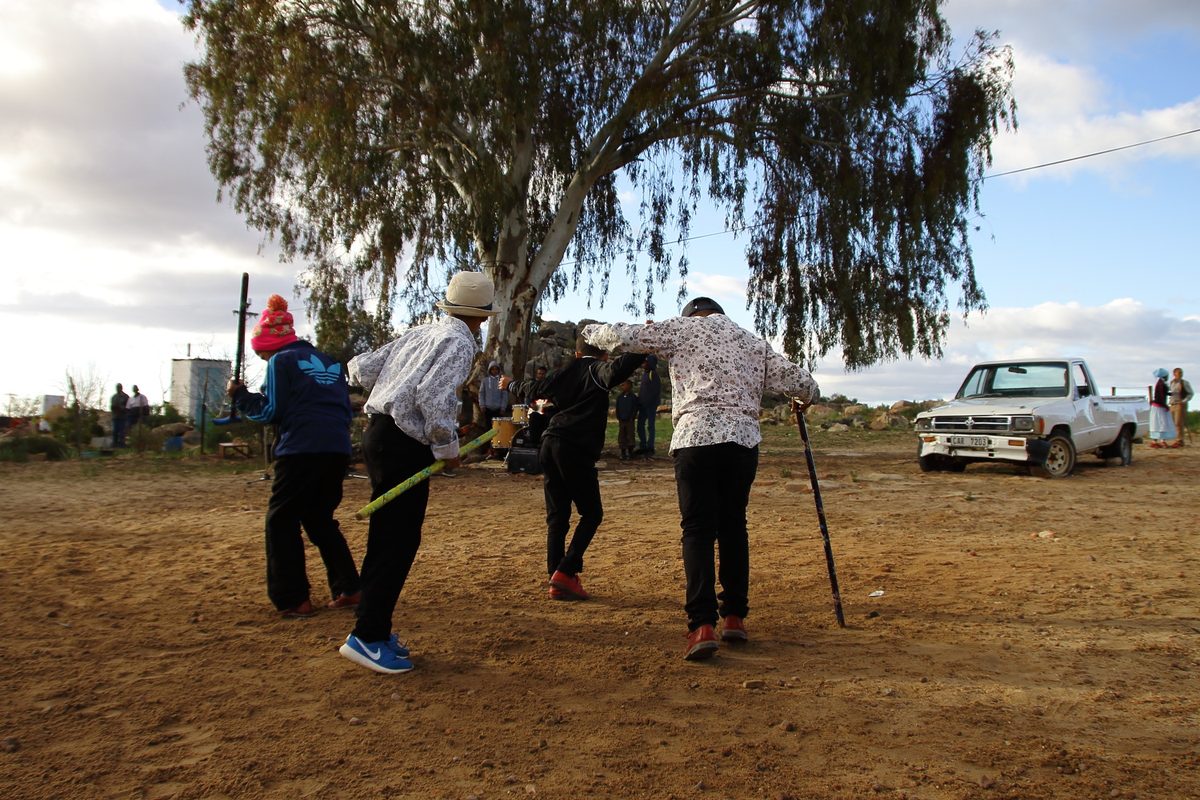
Wupperthal
Wupperthal is the mountain town — up in the Cederberg, reached on a gravel road from Clanwilliam over the Pakhuis Pass. It is a mission village with a rooibos co-operative, founded in 1830 by German missionaries and still a Moravian mission station today.
Read the restAbout 1 minute
Rooibos is the village’s most important cash crop — the community depends on small-scale agriculture and livestock, with rooibos at the centre of it. We are being careful here: the co-operative’s relationship to the wider rooibos industry still needs proper research before we say more about it. It is somebody’s livelihood, not colour for a tourism page.
We also flag, with care, that a wildfire swept through the village on 31 December 2018, destroying most of its buildings. That is a real community trauma, and we will not use it as tourism colour.
- Region
Cederberg - Rooibos role
mission village where rooibos is the most important cash crop - Founded
1830, Moravian mission station - Population
about 1,600 (2011 census) - Note
relationship to the wider industry still being researched - As a base
nothing a visitor can book that we could verify — see the table, and read it as a gap in the web, not the village
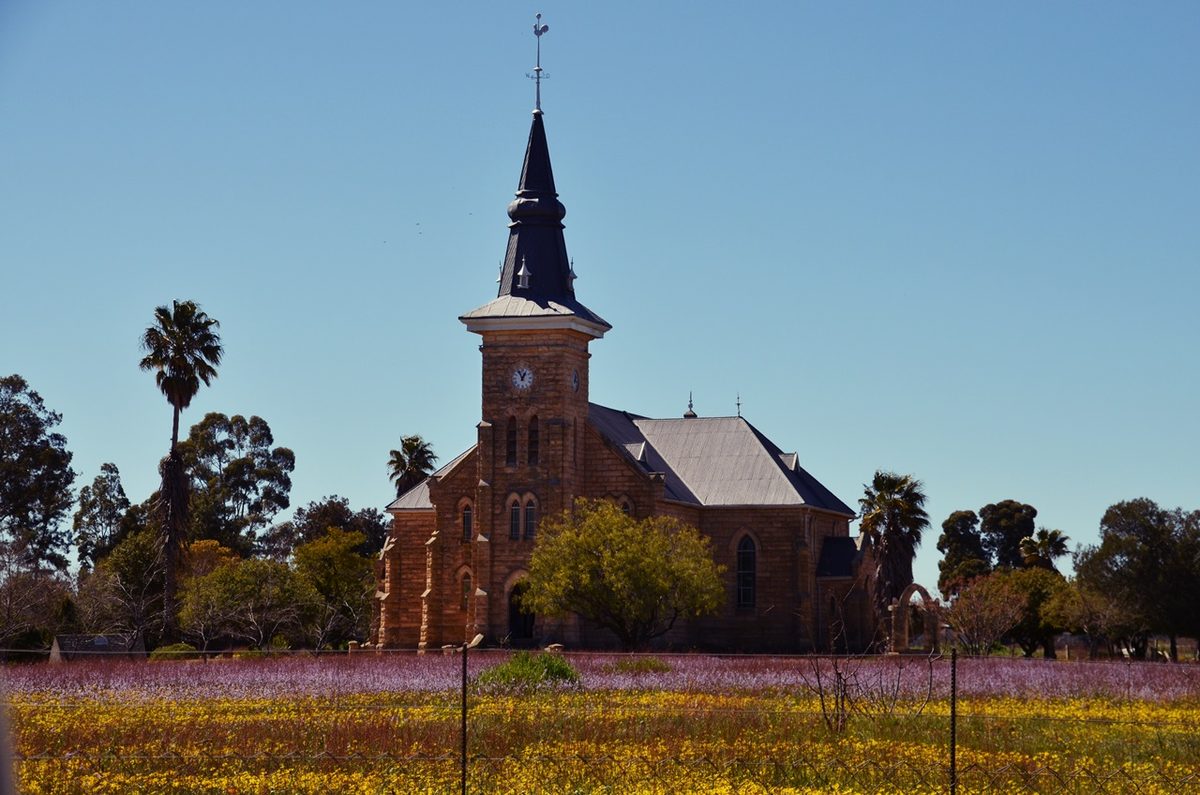
Nieuwoudtville
Nieuwoudtville is the escarpment town — out on the Bokkeveld Escarpment in the Northern Cape, and a flower destination in spring. It sits in the Suid-Bokkeveld, which is a distinct growing area from the Cederberg, not the same thing.
Read the restAbout 1 minute
It is known as the “bulb capital of the world” for its spring wild flowers, and in the 2025 World Air Quality Report it was measured as having the cleanest air of the 9,446 cities and towns surveyed — a striking fact, though we attribute it to that report rather than assert it ourselves.
We flag this honestly: whether Nieuwoudtville belongs inside this site’s boundary is still being confirmed. The legal protected-origin area is much wider than the working growing region, and we are not drawing a line on a map until we can do it properly.
- Region
Suid-Bokkeveld, Northern Cape - Rooibos role
growing area, known separately for its flowers - Known for
“bulb capital of the world”; cleanest air in the 2025 World Air Quality Report - Population
about 2,100 (2011 census) - Note
boundary still being confirmed - As a base
the Heiveld Co-operative and Rietjieshuis Eco Lodge, both book-ahead
What we cannot tell you yet
What a town page usually promises and this one does not yet carry. The first row is here because it used to be a gap and no longer is — we leave answered questions visible for one revision rather than quietly deleting them.
| Question | Where it stands |
|---|---|
| Where should I sleep, eat, and which farms can I visit? | Answered since this page was first written. /farms/ audited twelve operators — three publish something a visitor can act on. /stay/ carries six places and /eat/ four. The comparison is in what each base reaches.Answered 5–7 September 2026 |
| How far is it from town X to farm Y? | Not published, and not estimated. We hold verified coordinates for the four towns and for none of the farms. Where an operator states its own distance we quote theirs; we will not compute one from a guessed pin.Needs field research |
| What are the roads like, and what do I need to drive them? | Still not verified, and this is a deliberate refusal rather than a gap we forgot. The gravel road to Wupperthal over the Pakhuis Pass is sourced and stated. Beyond that we have not checked which roads need what, so the town chooser does not ask what you are driving.Why we do not ask |
| Is there anything to do in Wupperthal or Nieuwoudtville? | Almost certainly, and we cannot yet tell you what. Both rows in the table above are short because those operators publish little or nothing online — which is a finding about the web, not about the places. Nine operators across the region are waiting on nine phone calls.Field research outstanding |
| Is Nieuwoudtville really in rooibos country? | Still being confirmed — see the note under Nieuwoudtville above.Open question |
- ClanwilliamTown information for the working centre of the rooibos industry.
- The Rooibos RouteThe region's established rooibos route. Dated in build, but it lists members we do not.
- Everywhere else worth lookingOur full list of other good sources on rooibos and this region.
Four towns, one region
Clanwilliam is the working centre of the tea, Citrusdal the southern gate, Wupperthal deep in the mountains, Nieuwoudtville up on the escarpment. Each is a different kind of trip.